Author Archives: Fermin Underhill

Unknown's avatar

About Fermin Underhill

Enthusiastic about implementing puppets in Orlando, FL. Set new standards for importing Roombas in Minneapolis, MN. Won several awards for working with tinker toys in Tampa, FL.

How common drinks impact your teeth

They say that humans are made up of 60% water. As a result, it’s good for us to drink a lot of liquid every day, especially water. But, water can be a bit flavorless (and caffeine-less) so most of us drink a lot of other types of liquids throughout our days. But how do those drinks impact our teeth and mouth? Here’s a quick rundown of what popular drinks do to your dental health.

Water. Let’s start at the most basic. Water, with its neutral pH balance and no additives, is good for your teeth! It’s generally considered the healthiest thing to drink, so drink up! But that’s not very surprising. Let’s get on to the non-water drinks.

Sparkling Water. Ok, so we weren’t being totally honest when we said we’d move on to the non-water drinks. Sparkling water has seen quite the resurgence in recent years and many people drink one or more servings of sparkling water every day. Like normal water, most sparkling water doesn’t have any added sugars or colors, so it’s relatively good for your mouth. However, it is carbonated, which means that, over time, the carbonation can impact your teeth. This shouldn’t be much of an issue though, unless you’re drinking a LOT of sparkling water every day.

Coffee. Over 2 BILLION cups of coffee are drank around the world every day and chances are you drink coffee too. Coffee isn’t inherently all that bad for your teeth, but the brown color of coffee can cause staining on your teeth over time. Coffee can also cause bad breath, so make sure to pop a sugar-free breath mint after you finish your morning cup!

Soda. In regards to your teeth, soda is essentially a combination of coffee and sparkling water, with extra sugar thrown in. The carbonation can cause tooth decay over time and the, often dark, color of soda can stain your teeth over time, just like coffee. Additionally, soda has LOADS of sugar which can stick to your teeth and cause buildup and tooth decay. And, since the bacteria in your mouth love to feed on sugar, it can cause bad breath too. It’s best to limit your soda intake. Your teeth will thank you.

Beer. This will be a short entry. Beer is most similar to soda. It can stain your teeth overtime and the carbonation and sugars present in the beer can lead to tooth decay.

Wine. Red wine can stain your teeth and the sugars in wine can lead to plaque buildup and bad breath.

Unsurprisingly, water is the best for your teeth, plain and simple. So drink a lot of it! None of the other drinks on this list will cause immediate damage, but they should all be taken in moderation and make sure to always brush your teeth and visit your dentist regularly to keep your teeth shiny and white and to prevent any unnecessary buildup from occurring!

Dental Tools

Many of us are diligent about our bi-annual trips to the dentist. We dutifully go every six months and get our teeth cleaned, cavities filled and fluoride applied. But for many people, that’s about as much as they know about the dentist. And looking at the tray of unknown tools next to the dentist chair can be a little intimidating and scary. So we thought it would be worthwhile to provide a quick overview of the common tools that dentists use during typical appointments.

Mouth Mirror

This is probably the least scary of the tools on the table. In short, it’s simply a mirror on a little stick and it allows the dentist, or the dental assistant, to see into the nooks and crannies of your mouth. It’s particularly helpful for seeing behind teeth since the dentist can’t see those when looking from the outside of your mouth!

Sickle Probe

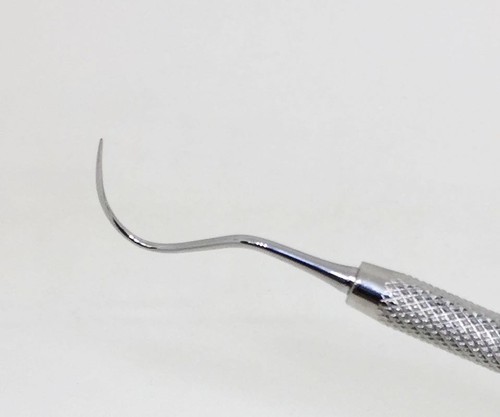
This is most likely one of the first tools that you see the dental hygienist use when they first begin working on your teeth. It looks like a sharp hook on the end of a short metal stick. It’s used to get into the pockets between teeth and to help identify potential cavities or to scrape away at small areas of plaque or build up.

Scaler

The scaler is very similar to the sickle probe, but with a slightly bigger surface area on the hook. Whereas the sickle probe is used to scrape off small areas of dental buildup, the scaler is meant for slightly larger areas. It accomplishes the same task of scraping off placque but does it faster than the sickle probe would.

Suction Device

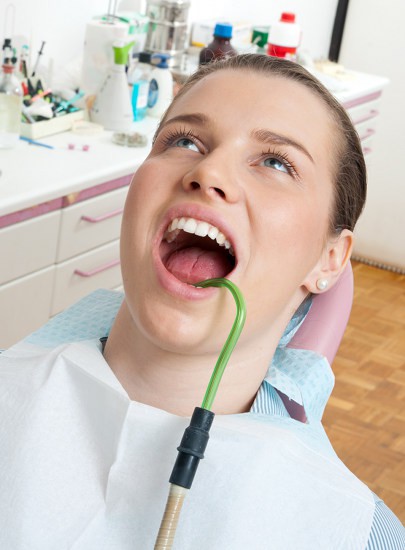
Let’s be honest, this is basically a fancy vacuum for your mouth. When your teeth are being cleaned and your mouth is open, it’s often difficult to swallow. That means that saliva can build up in your mouth, making you feel uncomfortable and making it harder for the dentist to work. Similarly, if your gums bleed or if the dentist sprays your teeth with water, both of these liquids can also just sit in the back of your throat. The suction device allows the dentist to suck that liquid out of your mouth, making you more comfortable and allowing the dentist to work more efficiently.

Dental Drill

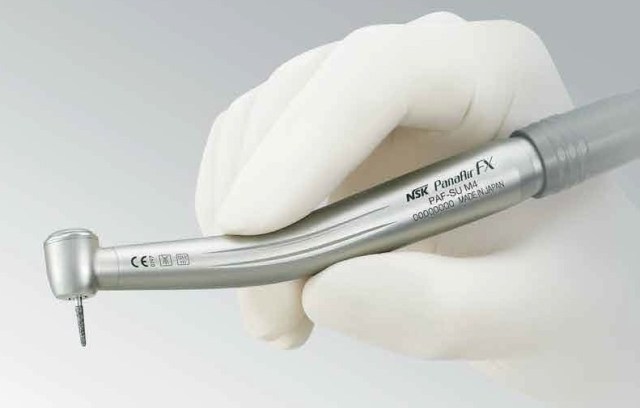
This is probably the scariest tool, but also one of the most interesting. Dental drills are used for drilling out tooth decay before filling a cavity. They spin at over 250,000 revolutions per minute, which is 250 times faster than the typical idling RPM of your car’s engine! And, they spray water on the tooth while they drill because the heat from the friction could cause damage to your teeth otherwise. Pretty cool stuff!

We know the dentist can be scary to go to sometimes. Hopefully this quick rundown of common tools helps reduce some of your anxiety at your next visit!